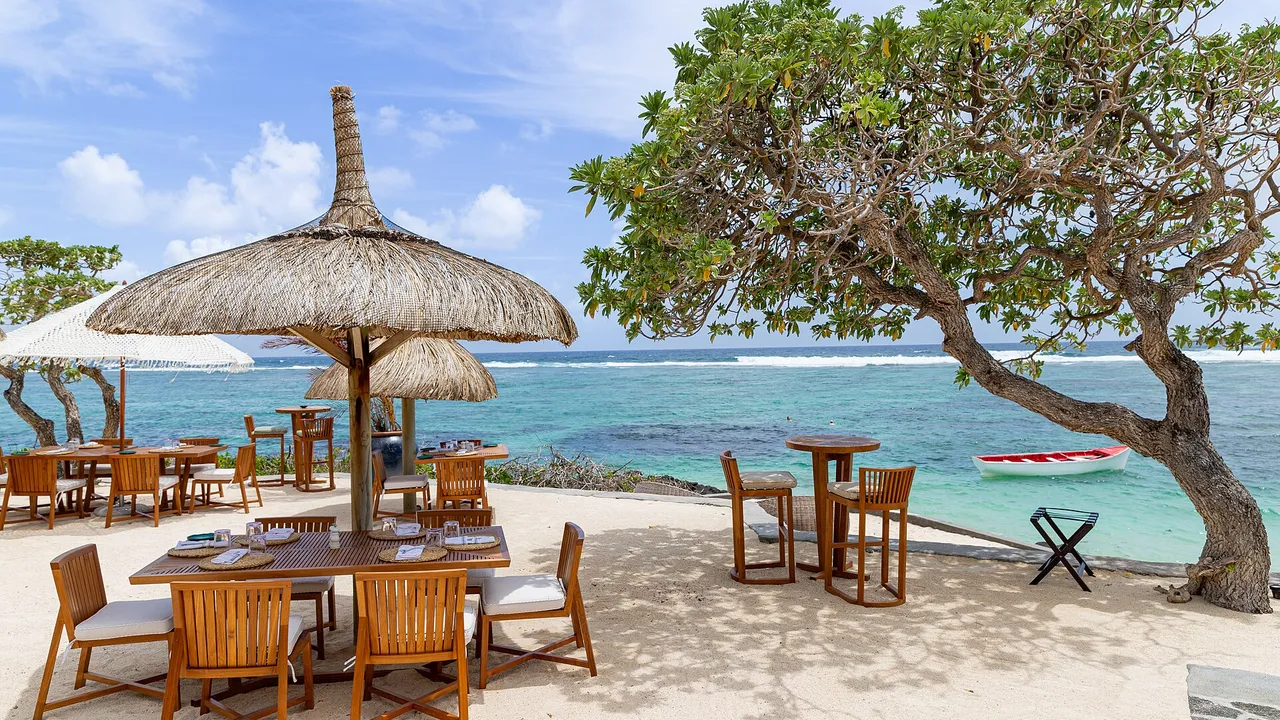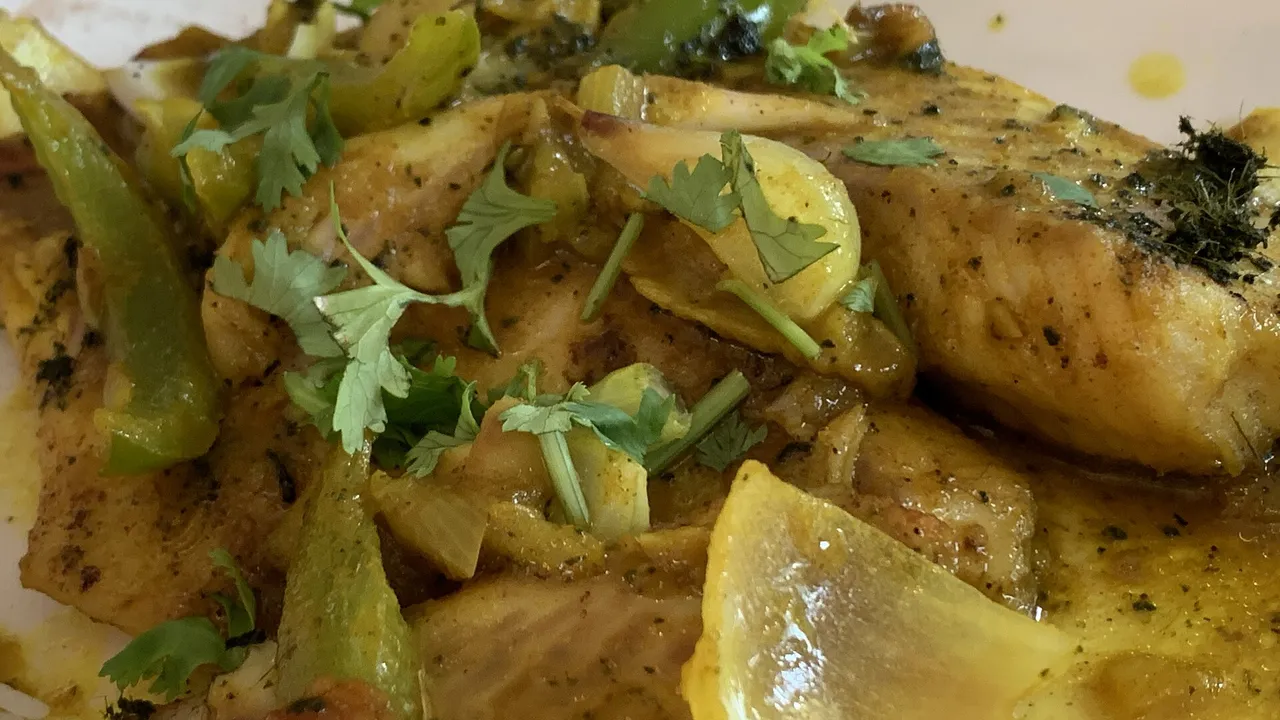
Mauritius is a good choice for older travellers who want warm weather, short distances and a relaxed pace. Many hotels are used to guests of all ages, the island is small and the food is easy to enjoy. Still, a comfortable trip needs a little planning: the season, a base that suits your mobility, health insurance, medicines and the pace of your days. This guide uses official advice where it exists, and does not assume what every site or hotel offers, so always ask about accessibility before you book.
Choosing Season and Base
Heat and humidity are strongest in summer, and the official cyclone season runs from 1 November to 15 May according to the Mauritius Meteorological Services. Many older travellers prefer the cooler, drier months from roughly May to October, when walking and sightseeing are more comfortable. Our best time to visit guide compares the seasons, and our cyclone season guide explains the risks of summer, including the advice to keep plans flexible.
Senior Travel at a Glance
Cooler and drier.
Cover medical care and evacuation.
Bring a prescription copy.
Rest in the middle of the day.
Health, Insurance and Medicines
Both the Australian and UK governments stress travel insurance. Australian Smartraveller advice says that the standard of medical facilities varies, that private doctors and clinics can be expensive, and that serious illness or injury may require medical evacuation, so your insurance should cover it. If you have a chronic condition or are over the age limit of some policies, read the exclusions carefully, declare existing conditions and check whether activities such as boat trips are covered. Our health guide explains vaccinations, mosquitoes, water and medical care.
Bring enough regular medicines for the whole trip plus a few extra days, in their original packaging with a copy of the prescription and the generic names. Some medicines are restricted in some countries, so check that yours are allowed before you travel. Keep essential medicines in your hand luggage and do not rely on finding the same brand locally. Ask your doctor about long flights, hydration and any extra precautions, since this is general information and not medical advice.
Getting Around Comfortably
Taxis and private drivers are the easiest option for many older visitors. Our airport transfer guide explains how to reach your hotel after a long flight, our taxi guide explains registered taxis and fares, and our car rental vs private driver guide compares the options. Driving is on the left, roads can be busy and narrow in places, and our driving guide lists what to know. If you prefer public transport, our bus guide explains the system, but buses can be crowded and stops may be at some distance, so choose it only if you are comfortable with it.
Easy Days Out
Choose gentle outings with shade, seats and short walking distances. The Pamplemousses Botanical Garden is a classic for a slow morning, and the Chamarel guide describes viewpoints that can be reached by car. A lagoon day on a calm beach, such as those in our Belle Mare guide or Flic en Flac guide, can be as satisfying as a long excursion. Ask each site and operator about steps, uneven paths, handrails, toilets and seating before you go, because we cannot confirm accessibility for every place.
Boat trips depend on the sea state and the boarding arrangements, which can involve stepping from a beach or jetty. Ask about the boat, the life jackets and the boarding method, and choose operators with a valid permit from the Ministry of Tourism, as UK government advice recommends. Our one-week itinerary and 10-day itinerary are good bases that you can slow down by dropping one stop a day.
Heat, Sun and Mobility Tips
The tropical sun is strong all year. Wear a hat, sunglasses and a high-factor sunscreen, drink water regularly and plan outings for the morning and late afternoon. Our what to wear guide and packing list suggest light clothing and comfortable shoes. Wear supportive shoes with a good grip, as pavements can be uneven and wet surfaces slippery, and consider a walking stick or a folding stool if you use one at home. Take a rest at midday, and pace your first days after a long flight.
Mosquito-borne illnesses such as dengue are present, so use repellent and cover up at dawn and dusk. If you feel unwell, see a doctor early and keep your insurance details, receipts and the hotel’s address with you. Our tea and coffee guide offers a gentle indoor stop on a hot afternoon.
- Choose the cooler months if you can
- Buy insurance that covers medical care and evacuation
- Bring medicines in original packs with a prescription copy
- Use a private driver or registered taxi for longer days
- Ask each site about steps, seating and toilets
Common Mistakes to Avoid
- Travelling without insurance that covers evacuation
- Packing too few medicines
- Planning several outings in one day
- Walking in the midday sun
- Assuming every site is step-free
- Wearing smooth-soled shoes on wet paths
If you would like a relaxed day with a local driver who can adapt the pace and stop where you need, you can ask us about private tours or local excursions. We will explain what is included and what is not, and what we can arrange for comfort and access.
Frequently Asked Questions
Is Mauritius good for older travellers?
Yes, many find the warm weather, short distances and relaxed pace comfortable, but plan for heat, insurance and accessibility.
When is the best time for seniors to visit?
Many prefer the cooler, drier months from roughly May to October, but the official cyclone season runs from 1 November to 15 May.
Is travel insurance necessary?
It is strongly advised, because private care can be expensive and evacuation may be needed.
Are sights wheelchair accessible?
It varies, and we cannot confirm every site, so ask each site and operator before you go.
How should I get around?
Many older visitors prefer private drivers or registered taxis for comfort and flexibility.
Travel at Your Own Pace
Tell us your pace and needs, and we will suggest a relaxed route with a local driver.
Browse Tours Browse Excursions