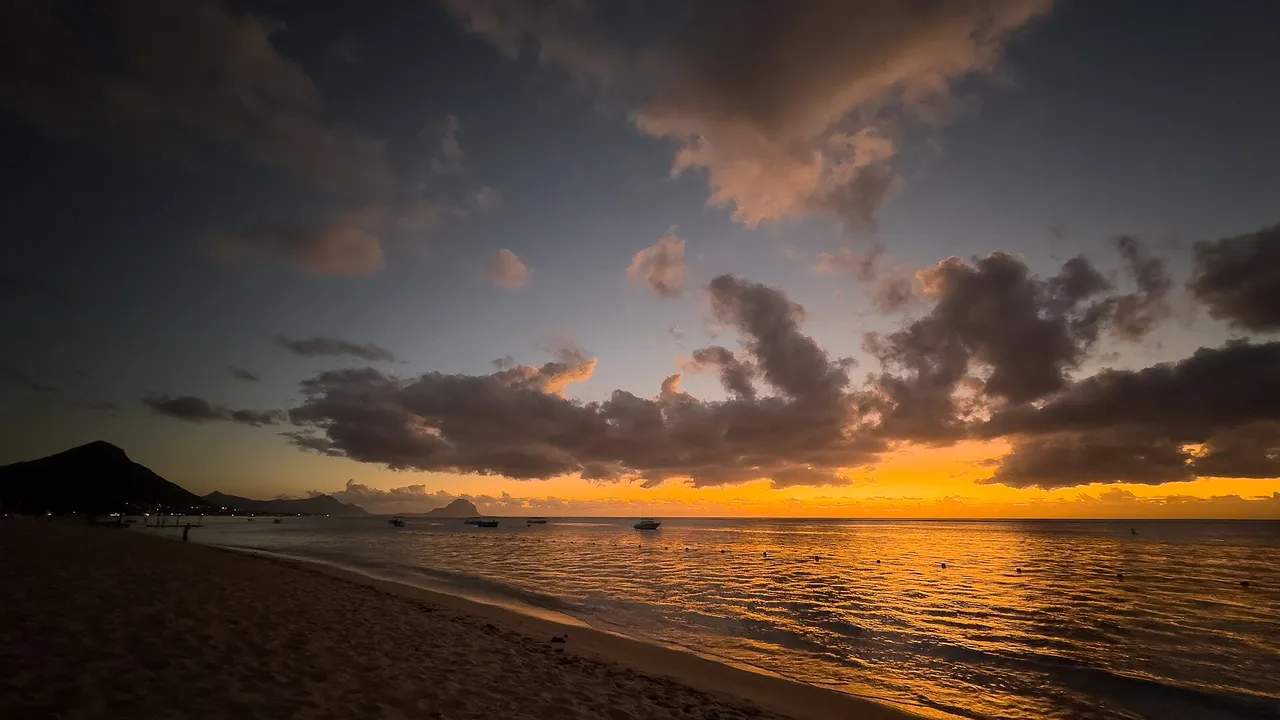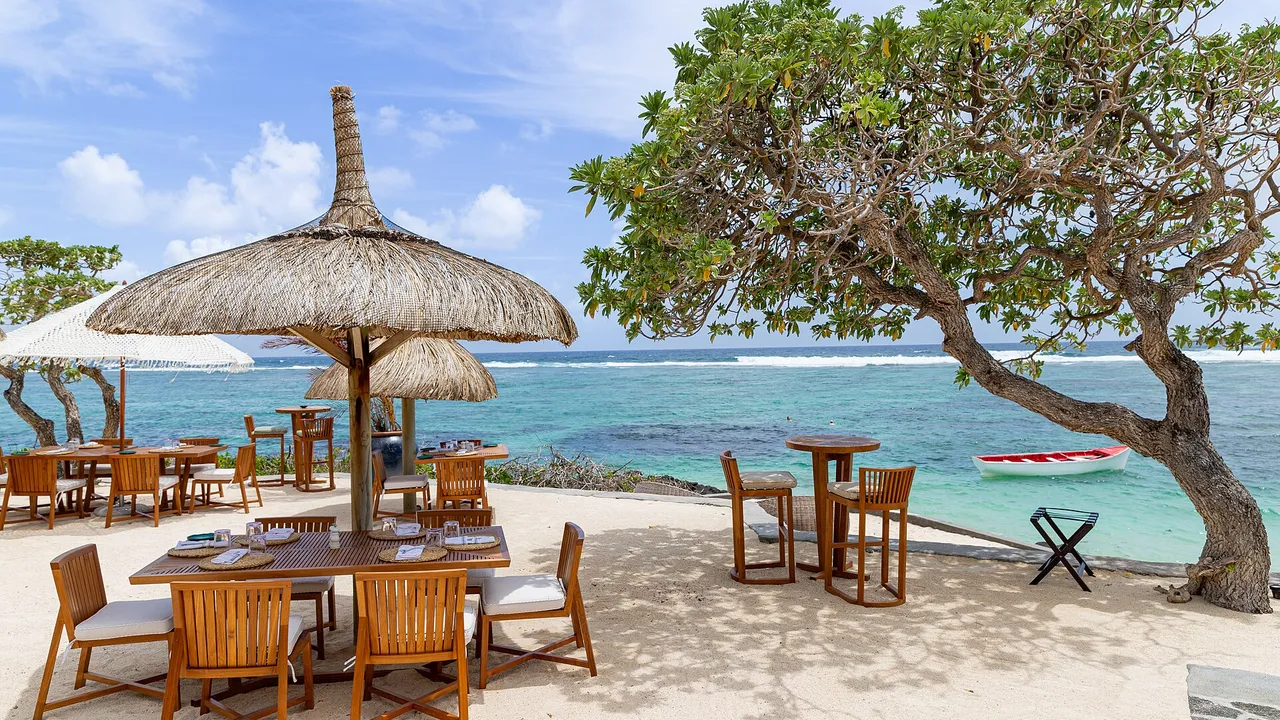
Belle Mare is the beach people usually mean when they say the east coast of Mauritius is the island’s long, quiet side. It lies in the Flacq district, between Palmar to the south and Quatre Cocos to the north, and it is lined with casuarina trees (called filaos locally) that give welcome shade. It is a place for long walks, a swim in the lagoon and a slow day rather than a busy one.
This guide explains how Belle Mare is organised, how long the public beach really is, what facilities you can expect and when the wind is most likely to spoil the lagoon. To fit it into a longer plan, see our one-week itinerary.
Where Belle Mare Is
Belle Mare sits on the east coast, roughly halfway between the village of Trou d’Eau Douce and the northern end of the Flacq coast. Hotels, villas and public sand all share the same shoreline. Because the east coast is a long, open stretch, it is easy to drive past the best parts, so use a landmark. The public beach service office on the sand is the most reliable one, and the two hotels that give their names to the beach sections are another.
The area is well placed for a day that mixes beach and boat. Boats to the lagoon islands leave from the jetties further south, and our guide to Ile aux Cerfs explains that outing in detail.
Belle Mare at a Glance
Flacq district, between Palmar and Quatre Cocos.
About 2,420 m of shoreline in total, according to the Beach Authority list.
About 17.4 hectares of proclaimed public beach.
Casuarina shade and a reef-sheltered lagoon.
How Long Is the Beach, Really?
You will see two very different numbers, and both are correct in their own way. The Mauritius Tourism Promotion Authority describes Belle Mare as almost ten kilometres of white sand. The Beach Authority, which manages the proclaimed public beaches, lists four sections at Belle Mare with a combined sea frontage of about 2,420 metres, of which the main beach is about 1,500 metres. The difference is that the long stretch of sand is mostly in front of hotels and private land, while the proclaimed public sections are shorter. When sources differ, treat the tourism figure as the length of the natural beach and the Beach Authority figure as the length that is officially public.
Public Beach and Hotel Beach
According to the tourism authority, all beaches in Mauritius are public, but in front of hotels and private residences visitors may only walk or stand on the sea side of the high-water mark. In practice this means you can stroll along the shore past a resort, but you should not walk onto its lawns, set up loungers on its terrace or use its pool. Hotel loungers and facilities belong to guests.
If you want to settle for the day, use one of the proclaimed public sections. They are named in the official list by nearby landmarks, such as the main beach, the section near The Residence hotel and the section near the Thalassa residence. Some operators and hotels offer day passes, but conditions change, so ask the property directly.
Facilities and What to Bring
Belle Mare is one of the public beaches covered by the Beach Authority’s beach management plan, and the authority has published tender documents for a car park and amenities there, including picnic tables, open showers, litter bins and solar lighting. We could not confirm from an official source exactly which of these are in place today, so do not rely on any of them. The beach service office on the sand is a good first stop for questions. The authority also says a duty ambulance is stationed in this area on busy public holidays, but that is a holiday arrangement and not a daily service.
- Water, since shops can be a short drive away
- A hat, sunglasses and reef-friendly sun protection
- Water shoes if you plan to wade near rocks or coral
- A light cover-up, because the sea breeze can feel cool after a swim
- Cash in rupees for snacks from small vendors
- A bag for your own rubbish
Because facilities can vary, pack as if you will have none, and buy lunch in a nearby village or at a restaurant. Our street food guide lists local snacks worth trying on a beach day.
Swimming, Snorkelling and Water Sports
The lagoon off Belle Mare is sheltered by a reef, and the water is often shallow and clear, which makes it popular for swimming and relaxed snorkelling. Conditions are not the same every day. The reef protects the water inside it, but tides, wind and currents can change what you see and how comfortable it feels, especially near gaps in the reef. Check the flags and signs where they exist, ask a local boatman or the beach office, and do not swim alone, especially with children.
Several hotels around Belle Mare have water sports centres that offer kayaks, paddle boards and other activities. If you use a commercial operator, choose a licensed one and ask about life jackets and insurance before you pay. Do not touch coral, and do not stand on it.
Wind and the Best Time to Go
The east coast of Mauritius is exposed to the trade winds, and the tourism authority notes that the breeze strengthens in winter, especially on the east and south coasts, with July and August among the windiest months. That can make the lagoon choppy and the beach feel cool, although it is also what keeps the coast fresh in summer. Early morning is usually the calmest and the best light for photographs.
If a calm lagoon matters most to you, plan your beach days for the summer months, from roughly November to April, and expect warmer water, but also a higher chance of rain and the possibility of cyclones. Our guide to the best time to visit Mauritius explains the seasons, and you should check the Mauritius Meteorological Services forecast for the day itself.
A Simple Day Plan
- Arrive in the morning, park or arrive by taxi, and note your landmark
- Walk along the shore for a while before the sun is strong
- Swim in the lagoon and rest in the shade of the casuarinas
- Have lunch in a local restaurant or at a snack stand nearby
- Spend the late afternoon on the sand and watch the light change
- Leave before dark, when lighting and services can be limited
Many visitors combine Belle Mare with a boat day to a lagoon island, a golf round or a quiet afternoon at a nearby village. On a longer holiday, it works well as a base or a rest day between more active excursions. For help with the cost of a day out, see our guide to travel costs in Mauritius.
Getting There
Belle Mare is easy to reach by road. The airport is on the south-east coast, so the drive is not long, but allow extra time for traffic, and more if you start from the north or west of the island. Most visitors use a rental car, a taxi or a private driver. Public buses serve the coast road, but they are slow and timetables change, so check locally. If you drive, remember that traffic keeps left, and take care at the roadside, where people and animals sometimes cross.
- Choose a proclaimed public section, not a hotel beach
- Pick a landmark, such as the beach service office
- Bring water, sun protection and your own rubbish bag
- Check wind and weather before you go
- Do not rely on facilities that you have not confirmed
Common Mistakes to Avoid
- Walking onto a hotel terrace or using its loungers
- Expecting the whole ten kilometres to be public beach
- Planning a swim on a very windy winter day
- Forgetting water and shade on a long beach
- Swimming alone or leaving children unsupervised
If you would like a relaxed east coast day with a local driver, you can ask us about private tours or local excursions, and we will explain what is included before you decide.
Frequently Asked Questions
Is Belle Mare beach public?
Yes, in four proclaimed public sections with about 2,420 metres of shoreline in total. In front of hotels you may only walk or stand on the sea side of the high-water mark.
How long is Belle Mare beach?
The tourism authority describes almost ten kilometres of sand, while the Beach Authority lists about 2,420 metres as proclaimed public beach.
Is Belle Mare good for swimming?
The reef-sheltered lagoon is popular for swimming, but conditions vary with wind, tide and currents, so check signs and local advice.
When is Belle Mare windiest?
The tourism authority says the breeze strengthens in winter on the east and south coasts, with July and August among the windiest months.
Are there toilets and showers?
Public amenities have been planned and tendered by the Beach Authority, but we could not confirm exactly what is installed, so bring what you need.
Plan Your East Coast Days
Tell us what you want from the east coast and we will suggest a relaxed plan with a local driver.
Browse Tours Browse Excursions