Tamarin is a small, relaxed village on the west coast of Mauritius, set around a wide bay with the mountains of the Black River district behind it. It is known for its surf break, its traditional salt pans, and as a departure point for dolphin trips. It is a good place for a slow day, a surf lesson or a base for exploring the south-west.
This guide explains what Tamarin offers, which parts are best for visitors, what to know about the nearby Tamarin Falls hike and how to fit the village into a longer plan, such as our one-week itinerary.
Where Tamarin Is
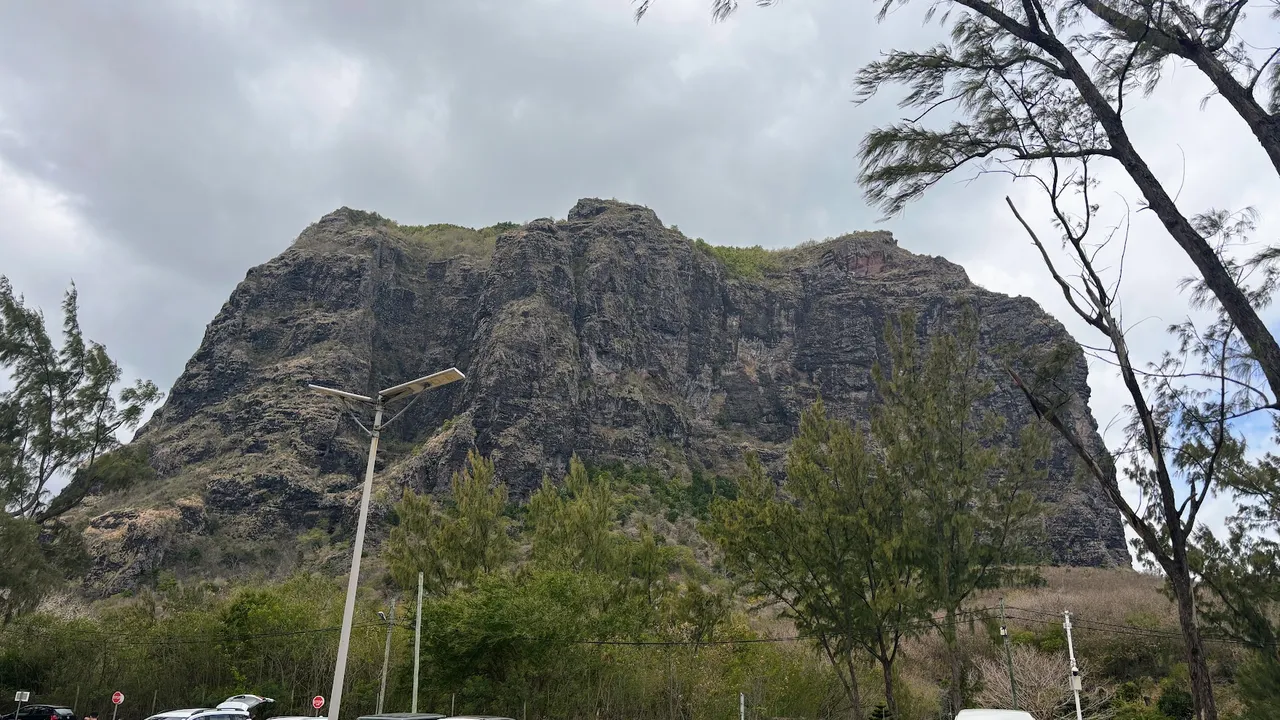
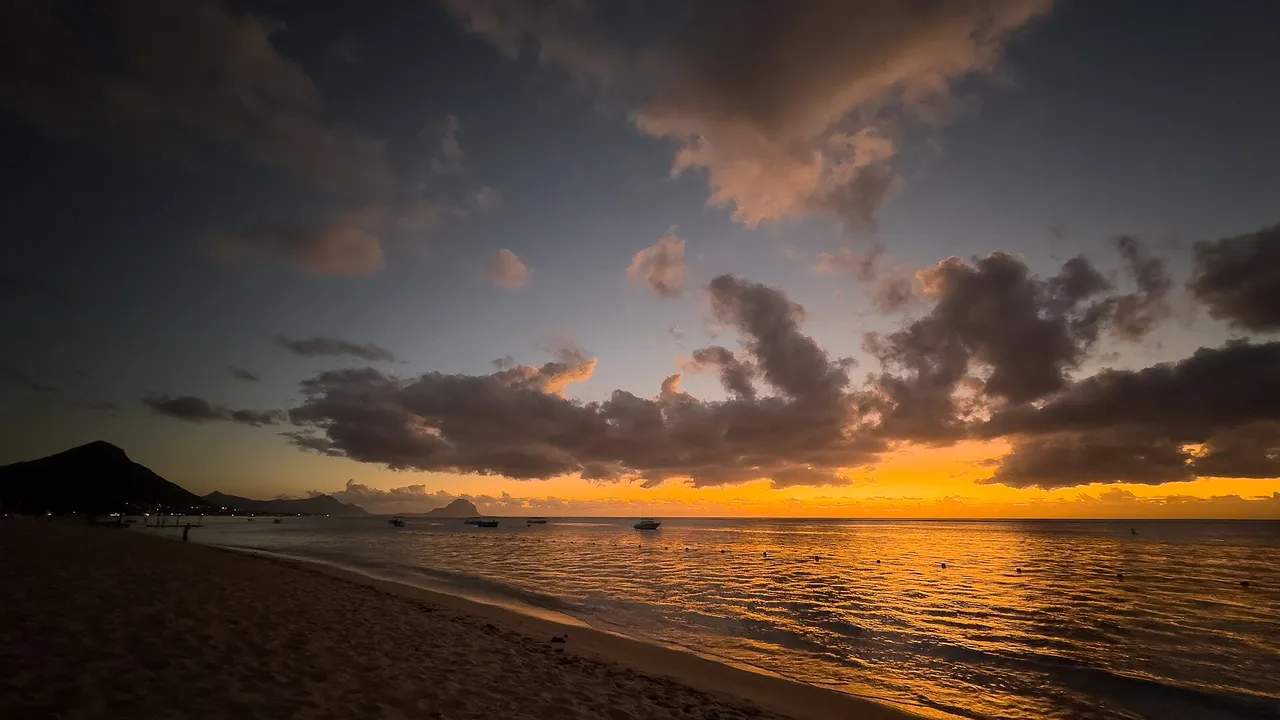
Tamarin sits on the west coast between Flic en Flac to the north and La Preneuse and the Black River area to the south. The bay is open to the ocean, and the mountains rise behind the village, which gives it a different feel from the flatter, more sheltered lagoon beaches. The coast road passes through the village, with small shops, cafes and a few hotels and guesthouses around the bay.
Tamarin at a Glance
Between Flic en Flac and La Preneuse.
An open bay and a traditional salt-making site.
Departures from the bay area, subject to operators.
Cafes, surf lessons and views of the bay.
Tamarin Bay and the Surf
Tamarin Bay is one of the best-known surf spots on Mauritius. Unlike many Mauritian beaches, it is not enclosed by a continuous lagoon, so waves can reach the shore, which attracts surfers. The tourism authority lists surf and kitesurf spots on the island, and the western break at Tamarin is usually mentioned as working best in the winter months, roughly June and July, when swells arrive. Conditions change from day to day and are not suitable for every swimmer, so check the sea before you go in. If you are a beginner, book lessons with a licensed school and ask about the reef and currents.
For swimming and snorkelling in calmer water, many visitors prefer the lagoon beaches nearby, such as Flic en Flac. Tamarin is more about the view and the surf than about a sheltered swim.
The Salt Pans
On the coast road near the entrance to Tamarin are the salt pans, where seawater is channelled into shallow basins and left to evaporate in the sun. Salt production here is a long-established tradition, and visitors can usually see the pans and buy the salt. Opening hours and the harvesting season can vary with the weather, since production depends on dry, sunny conditions, so ask locally or contact the site before making a special trip. Please follow signs, stay on the paths and do not walk on the pans.
Dolphin Trips
Boat trips to see dolphins leave from the Tamarin and Black River area, usually in the early morning. We cover how this works, what to look for in an operator and how to behave around wildlife in our guides to dolphin watching in Tamarin and swimming with dolphins. For now, remember that dolphin sightings cannot be guaranteed, and that responsible operators keep their distance from the animals and limit the time spent near them.
Tamarin Falls (Seven Cascades)
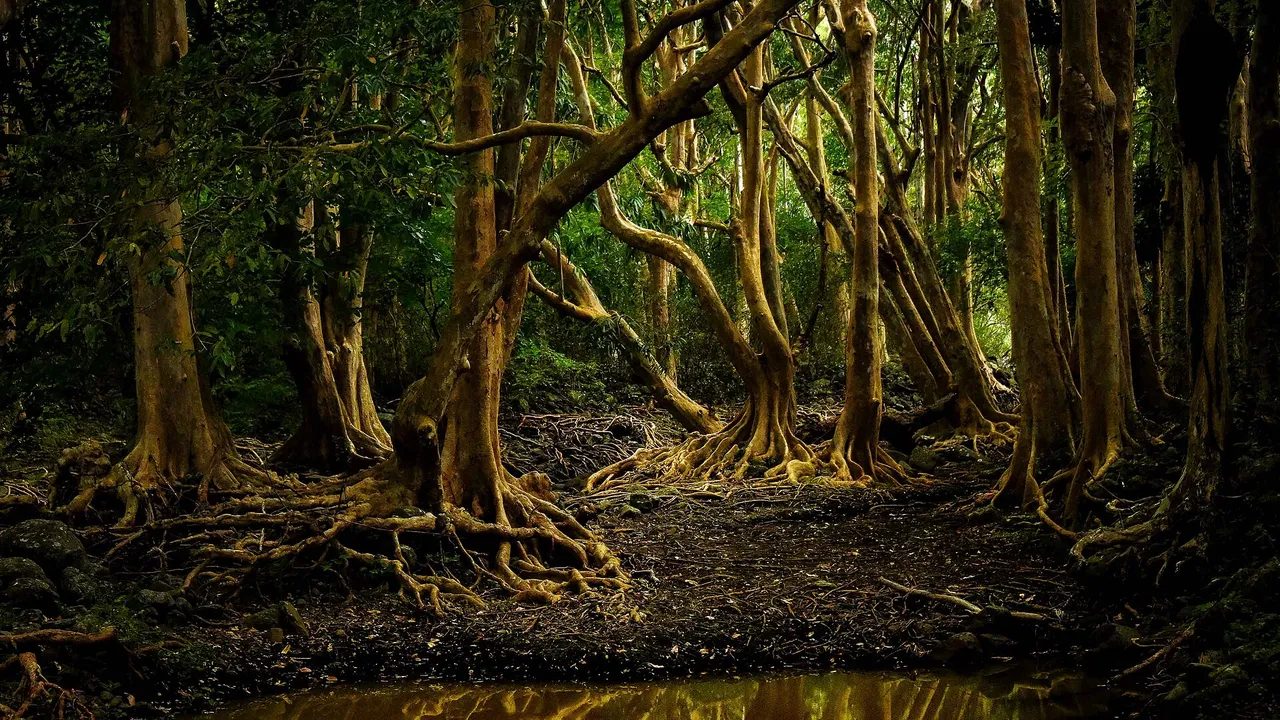
Tamarin Falls, also called the Seven Cascades or Tamarind Falls, are a series of waterfalls in the hills inland from the village. They are reached by a steep, sometimes slippery hike through forest and across rock, and they are better treated as a guided outing than as a casual walk. Travel sources report that the route crosses private land and that visitors should go with an organised excursion and a qualified guide, and that access rules can change, so confirm this before you go. Do not attempt the route alone, after heavy rain or in poor light, because the rocks can be dangerous. Wear shoes with a good grip and carry water.
If you prefer a more traditional forest walk, see our guide to the Black River Gorges National Park.
A Simple Day in Tamarin
- Start with an early dolphin trip if you want to try one
- Have breakfast at a cafe in the village
- Visit the salt pans in the late morning
- Watch the surf from the bay or take a lesson
- Eat lunch in a local restaurant and rest in the shade
- Drive to Chamarel or Le Morne in the afternoon
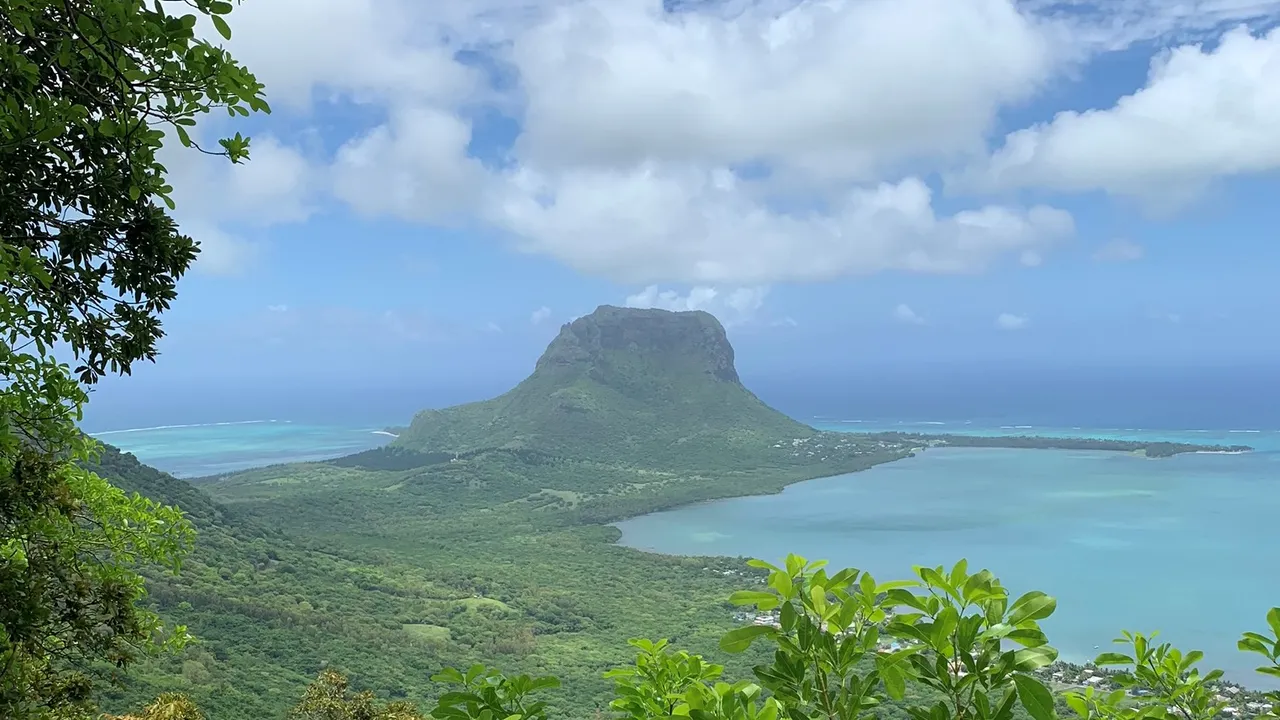
From Tamarin you can reach other highlights in the south-west within a short drive. See our guides to Chamarel and Le Morne Brabant.
The Best Time to Go
The west coast is drier and generally more sheltered than the east, which is why many visitors choose it for the winter months. For surfing, winter swells are better. For calm sea and clear water, check conditions on the day. Summer is hotter and wetter, with the possibility of cyclones. Our guide to the best time to visit Mauritius explains the seasons in more detail.
Getting There
Tamarin lies on the main west coast road. Most visitors come by rental car, taxi or private driver. Buses serve the road but are slow, and timetables change, so check locally. If you drive, traffic keeps left, and you should take care at the roadside where pedestrians and scooters are common. For help with budgeting, see our guide to travel costs in Mauritius.
- Check the sea and the weather before swimming or surfing
- Visit the salt pans with respect and confirm opening times
- Book dolphin trips with a responsible operator
- Go on the waterfall hike only with a qualified guide
- Bring water, sun protection and shoes with good grip
Common Mistakes to Avoid
- Swimming in the open bay as if it were a sheltered lagoon
- Attempting the waterfall hike alone
- Walking on the salt pans
- Expecting guaranteed dolphin sightings
- Leaving rubbish on the beach or the trail
If you would like a west coast day with a local driver, you can ask us about private tours or local excursions, and we will explain what is included before you decide.
Frequently Asked Questions
What is Tamarin known for?
A surf break in an open bay, traditional salt pans, dolphin trips and the nearby Tamarin Falls hike.
Is Tamarin good for swimming?
The open bay has waves and currents, so it is better for surf than for relaxed swimming. Lagoon beaches such as Flic en Flac are calmer.
Can I hike to Tamarin Falls on my own?
Travel sources say the route crosses private land and should be done with an organised guide. Confirm the current rules before you go.
When is the surf best?
Winter swells, roughly June and July, are usually mentioned as best, but conditions change daily.
Can I visit the salt pans?
Yes, they can be seen from the coast road area, but hours and harvest times vary with the weather, so check locally.
Plan Your West Coast Days
Tell us what you want from the west coast and we will suggest a relaxed plan with a local driver.
Browse Tours Browse Excursions