Le Morne, on the south-west tip of Mauritius, is the island’s best-known kitesurfing area. Its shallow lagoon, the reef that shelters it and the steady trade winds attract beginners and experienced riders from many countries. This guide explains when the wind is usually best, how the lagoon is used, what we found about the rules, how to choose a school and what to check for safety. Wind figures here come from kite schools and spot guides, not from an official source, so treat them as general guidance and check the forecast on the day.
Wind Season and Conditions
Kite schools and spot guides describe the south-east trade winds from about May to October as the most reliable period, with the strongest and steadiest days usually from June to September. The summer months from November to March are warmer and less consistent, and cyclone weather can disrupt plans, mainly in the first months of the year. The Mauritius Meteorological Services give the official cyclone season as 1 November to 15 May, so keep your plans flexible in that period. Our cyclone season guide and best time to visit guide explain the seasons. Local guides also say that the wind often picks up late in the morning, that the mountain can make it gusty or direction-sensitive, and that figures in knots vary a lot between sources, so ask the school what is realistic on your dates.
Kitesurfing at a Glance
Peak usually June to September.
Shallow lagoon and a sheltered area.
Current is strong where the lagoon drains.
Ask about licences and safety boats.
Lagoon, Zones and Access
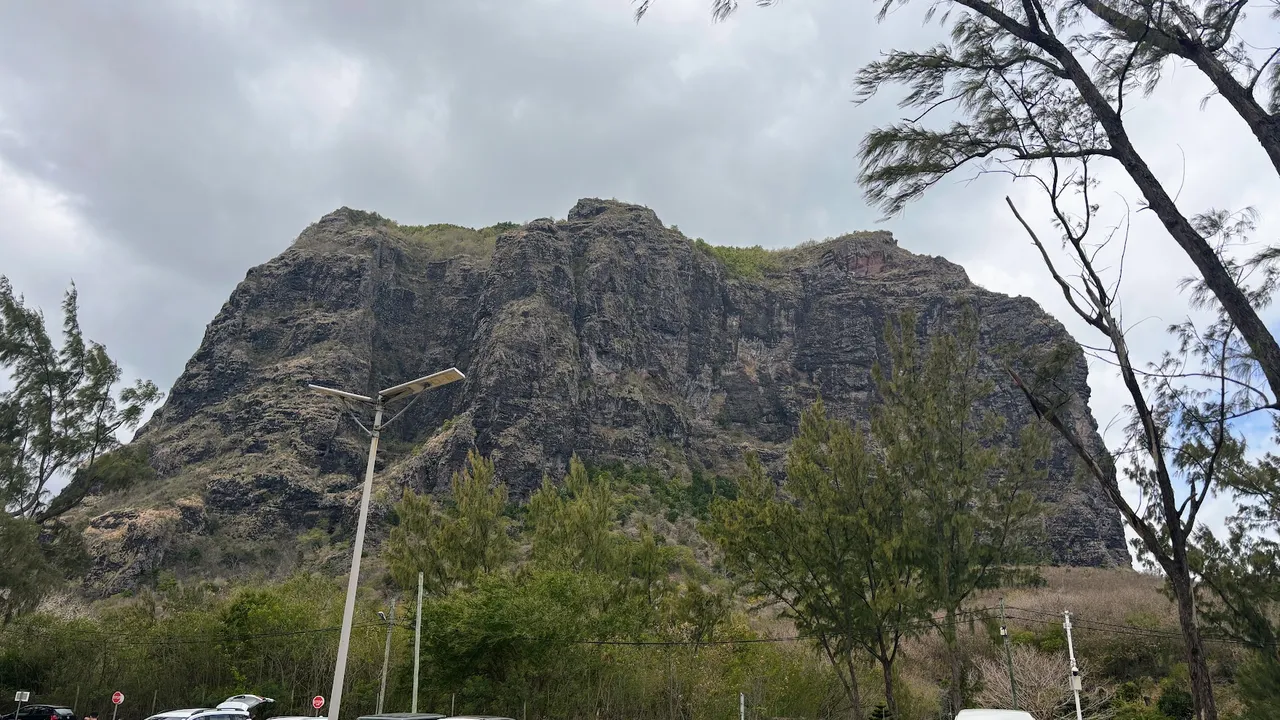
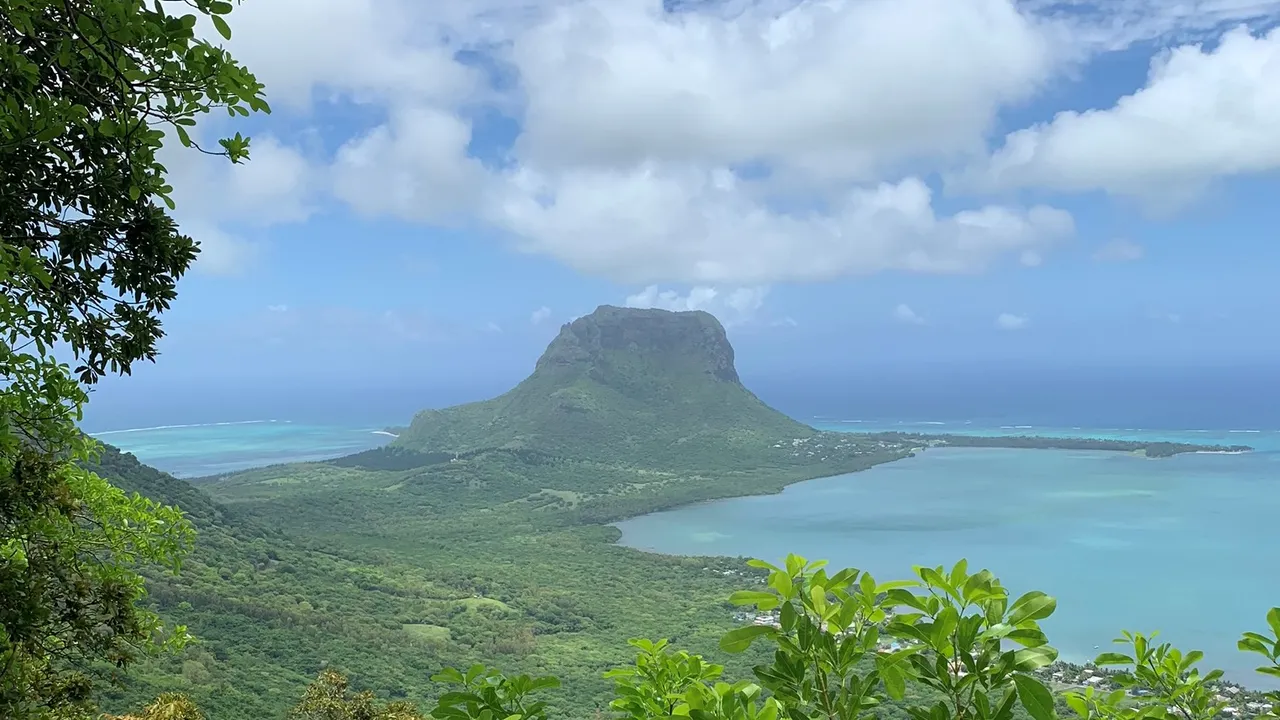
The lagoon at Le Morne is shallow in large areas, which many schools use for lessons, while the area further out suits more experienced riders. The gap in the reef where the lagoon drains to the open sea has strong currents, and you should only go there with enough experience, a local briefing and preferably a boat for support. Coral heads are scattered in places, so schools often advise booties. Our Le Morne Brabant guide describes the area and the mountain, which is a protected World Heritage site, and our hiking guide explains the climb.
Kitesurfing is not allowed everywhere on the island’s beaches. Press reports from January 2017 say that the Beach Authority planned amendments to the Tourism Authority (Kite Surfing) Regulations 2015 that would name three areas: Trou Chenille and Pointe Sud-Ouest at Le Morne, and Union Ribet at Anse la Raie. We could not find an official text showing that those amendments came into force, so treat the situation as something to confirm locally. Ask your school, your hotel’s water sports centre or the beach staff where kiting is allowed on the day, and stay away from swimming areas, boat channels and fishing gear.
Schools and Licences
Kitesurfing schools fall under the Tourism Authority’s licensing, and the Tourism Authority (Kite Surfing) Regulations 2015 exist for the sport, so a school that is properly set up should be able to explain its licence, its instructors, its safety boat and its insurance. Ask whether lessons are one to one or in a group, whether the instructor can talk to you by radio or helmet link during the lesson, how the school handles a rider who drifts downwind and what happens if the wind drops. UK government travel advice says to make sure an operator holds a valid permit issued by the Ministry of Tourism, that the boat has enough life jackets and that the captain can contact the coastguard. Our snorkelling and diving guide has the same advice for other water activities.
Beginners usually need several lessons before riding safely on their own, and the number varies with the person and the wind, so be wary of promises of a fixed result. Do not rent equipment for solo riding unless you are confident and the school or rental centre agrees that your level is enough.
Safety and Etiquette
Always take a lesson before you ride alone, wear a helmet and impact vest if the school provides them, and check the wind, tide and your gear before launching. Do not ride alone, keep clear of swimmers, other riders and boats, and give way according to the usual right-of-way rules explained in your briefing. Do not ride in front of hotels or in marked swimming areas. Stay inside the reef unless you have the level and support to go out, and come in well before the end of the afternoon, because conditions and light change. Smartraveller advises not to do water activities alone and to carry insurance that covers your activities, so check that your policy covers kitesurfing.
Respect the lagoon and the village. Do not damage coral by standing on it, do not leave rubbish, and be polite to local people and fishers using the same water. Our safety guide explains the official safety advice, and our health guide explains medical care and insurance.
Planning Your Stay
Many visitors stay in the south-west for a week or so, combining lessons with the mountain, the waterfall and the Chamarel area. Our Chamarel guide and Black River Gorges guide can fill the days when the wind is light, and our Black River guide covers the nearby coast. Bring sun protection, a rash vest and water shoes. The airport transfer guide explains how to reach the south-west, which is a long drive from the airport, and our car rental vs private driver guide compares ways to get around.
- Choose a licensed school and ask about safety boats
- Check the wind and tide on the day
- Never ride alone or in swimming areas
- Confirm your insurance covers kitesurfing
- Keep clear of the reef passage unless experienced
Common Mistakes to Avoid
- Booking in a light-wind month with no backup plan
- Riding without a lesson
- Going out through the reef passage
- Riding near swimmers
- Assuming every beach allows kiting
- Skipping insurance
If you would like a driver for your transfers or a day out when the wind is light, you can ask us about private tours or local excursions. We will explain what is included and what is not.
Frequently Asked Questions
When is the best time to kitesurf at Le Morne?
Schools and spot guides describe about May to October as the most reliable, with the peak usually from June to September.
Is kitesurfing allowed everywhere?
No. Reported plans named Trou Chenille, Pointe Sud-Ouest and Union Ribet, and we found no official confirmation, so ask locally.
Do I need a school?
Beginners should take lessons with a licensed school, and schools can explain the local rules.
Is the lagoon safe for beginners?
The shallow lagoon is popular for lessons, but the reef passage has strong currents and should be avoided without experience and support.
Does my insurance cover kitesurfing?
Check your policy, because many policies exclude or limit water sports.
Plan Your Wind Days
Tell us your dates and we will suggest a relaxed plan with a local driver for the lighter days.
Browse Tours Browse Excursions