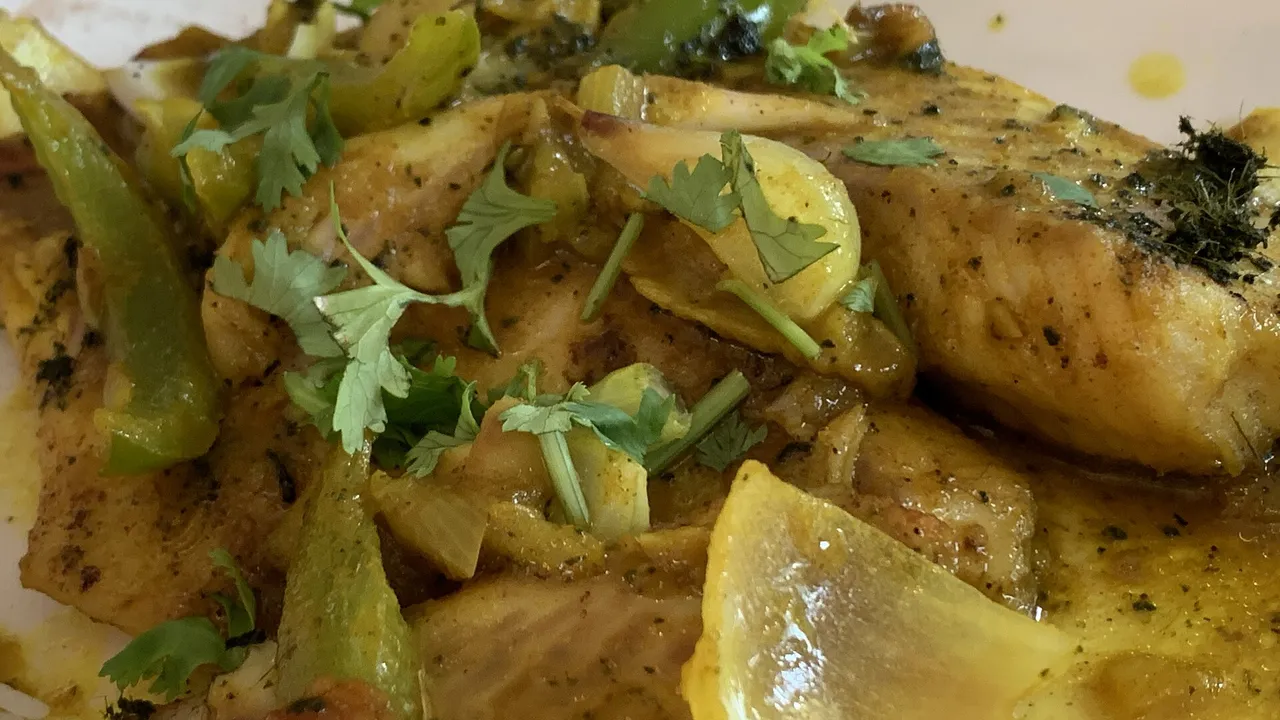
Ask Mauritians what they eat at home and many will name a Creole dish. Creole cooking is the everyday cuisine of the island, built on tomato sauces, fish, pulses, leafy greens and fresh chutneys, and served with plenty of white rice. It sits alongside Indian, Chinese and French cooking, and the four traditions borrow from each other so freely that one meal can include all of them.
This guide explains the main Creole dishes, the words you will see on menus, what to order at a restaurant and how to find home-style cooking when you travel. It also includes a short vocabulary, checked against Mauritian food sources, so that menus written in French and Creole become easier to read.
What Is Creole Cooking in Mauritius?
The word Creole describes the island’s cooking that grew out of African, Malagasy and French influences, and then absorbed ingredients and techniques from Indian and Chinese kitchens. Typical Creole dishes use seafood, pulses, beans, corn and tapioca. The basic flavour comes from tomato, onion, garlic, ginger, thyme and chilli, cooked slowly into a sauce that is served with rice.
Mauritian curries differ from those of other countries. They commonly use fresh herbs such as thyme, curry leaves and coriander, and they usually do not contain coconut milk. They are served with a wide range of meat and seafood, from chicken and duck to octopus.
Dishes to Look For
A tomato sauce cooked with onion, garlic, ginger, thyme and chilli, served with fish, sausage, eggs or vegetables.
Fried fish or octopus marinated in mustard seed, turmeric, vinegar and onion, often eaten cold.
Octopus cooked slowly in a Mauritian curry sauce. Called ourite in Creole.
Crisp vegetables pickled with turmeric, mustard, garlic and ginger, served with curry and rice.
Rougaille: The Everyday Sauce
Rougaille is the cornerstone of Creole home cooking. Onion, garlic, ginger, thyme and curry leaves are fried gently, then chopped tomatoes are added and cooked until the sauce thickens. It can be served plain as a side dish, or with salted fish, smoked sausage, boiled eggs or fresh fish. Rougaille with sausage is the classic comfort dish, and rougaille with salted fish is a favourite for Sunday lunch.
Salted fish, known as poisson salé, is dried and salted snoek that is soaked, fried and crumbled into the sauce. It has a strong smell and a rich flavour that some visitors love at once and others need time to appreciate.
Vindaye and Octopus Curry
Vindaye is the Mauritian version of vindaloo, brought from India and adapted into a cold dish of fish or octopus. The fish is fried, then covered with a sauce of crushed mustard seed, turmeric, garlic, onion and vinegar. It tastes sharp and slightly sweet, and it improves if it rests overnight. Many people eat it in a baguette or with rice and a salad.
Octopus curry is one of the dishes that visitors remember most. The octopus is cooked slowly until soft in a thick sauce flavoured with garlic, ginger, tomato and curry spices. It is common in coastal restaurants in Grand Baie and Flic en Flac, and it is usually served with rice, a salad and a fresh satini.
Satini, Achards and Side Dishes
A Mauritian meal is rarely served without something fresh or sharp on the side. Satini is a fresh chutney made from tomato, coconut, coriander or other ingredients, and it is eaten with rice, roti and dholl puri. Achards are crisp vegetables lightly cooked and pickled with spices, often made from cabbage, green beans and carrots. There are also achards of mango, lemon and aubergine, and a version made with palm hearts.
- Try satini with rice and a simple curry to taste the contrast
- Order achards as a side dish with fried fish
- Look for chilli sauces on the table and use them carefully
- Ask for a small portion of each side dish to taste several
- Try palm heart salad as a starter in restaurants
Broths, Greens and Vegetables
Leafy greens are known in Creole as brèdes, and they are an important part of home cooking. Many kinds are cooked in a light broth with onion and garlic, and served with rice and a chutney. Brèdes mouroum, the leaves of the moringa tree, are used in fish and prawn broths. Chayote, known locally as chouchou, is used both as a vegetable and for its leaves. These dishes are gentle and lightly spiced, and they balance richer curries and sauces.
Daube, Bouillon and Home Meals
Other dishes you may meet are daube, a slow-cooked sauce similar to rougaille but more often made with meat or chicken, and bouillon, a light broth served over rice. Home meals often include rice, a curry or rougaille, a pot of lentils, a fresh satini and a plate of greens. This is simple food that families cook every day, and it has more variety than the short menu in a hotel suggests.
If you are lucky enough to be invited to a Creole family lunch, bring a small gift, arrive hungry and try everything. Eating together is the heart of Mauritian hospitality, and a shared table is the best introduction to the island’s food.
Creole Sweets and Desserts
Creole desserts are simple and filling. Corn pudding and tapioca pudding are well known, and are usually sweet, soft and lightly spiced. Fresh fruit, such as pineapple, banana and lychee in season, is a common way to finish a meal. You may also find sweet potato cakes and coconut cakes in local bakeries.
Where to Eat Creole Food
The best Creole food is often found in small family restaurants, market canteens and homes, rather than in large hotels. In towns such as Mahébourg and Port Louis, look for small restaurants that display the dish of the day on a board. Lunch is the main meal, and many places sell out by early afternoon. Hotels serve Creole dishes on special evenings, and it is worth asking whether your hotel has a Creole night.
Another good option is to join a cooking class or a home visit, which usually includes a market visit and a meal with the family. A local driver can also recommend a small restaurant on your route. You can combine a Creole lunch with a day of sightseeing using our private tours or local excursions.
- Rougaille (rougay), spicy tomato sauce
- Satini, fresh chutney
- Ourite, octopus
- Poisson salé, salted fish
- Brèdes, leafy greens cooked in broth
- Laviann, meat; pwason, fish
Ordering Tips
Menus are usually written in French, with English alongside, and street stalls use Creole names. If you do not understand a dish, ask what is in it. Staff usually enjoy explaining their food. If you do not eat fish or meat, check the sauce, since many Creole sauces use dried fish or are made with stock. Ask for the portion size too, as plates are often generous and meant to be shared.
Frequently Asked Questions
What is rougaille?
A Creole tomato sauce cooked with onion, garlic, ginger, thyme and chilli, served with fish, sausage, eggs or vegetables.
Is Creole food spicy?
Usually medium. Chilli is often served separately, so you can add as much as you like.
What is vindaye?
A cold dish of fried fish or octopus marinated in mustard seed, turmeric, vinegar and onion.
Is Creole food suitable for vegetarians?
Some dishes are, such as achards, satini and vegetable broths, but many sauces contain fish or meat, so ask.
Where can I try Creole cooking?
In small family restaurants, market canteens, cooking classes and some hotel Creole nights.
Taste Creole Mauritius
Tell us what you like to eat and we will plan a day with a driver who knows where to find home-style Creole cooking.
Browse Tours Browse Excursions