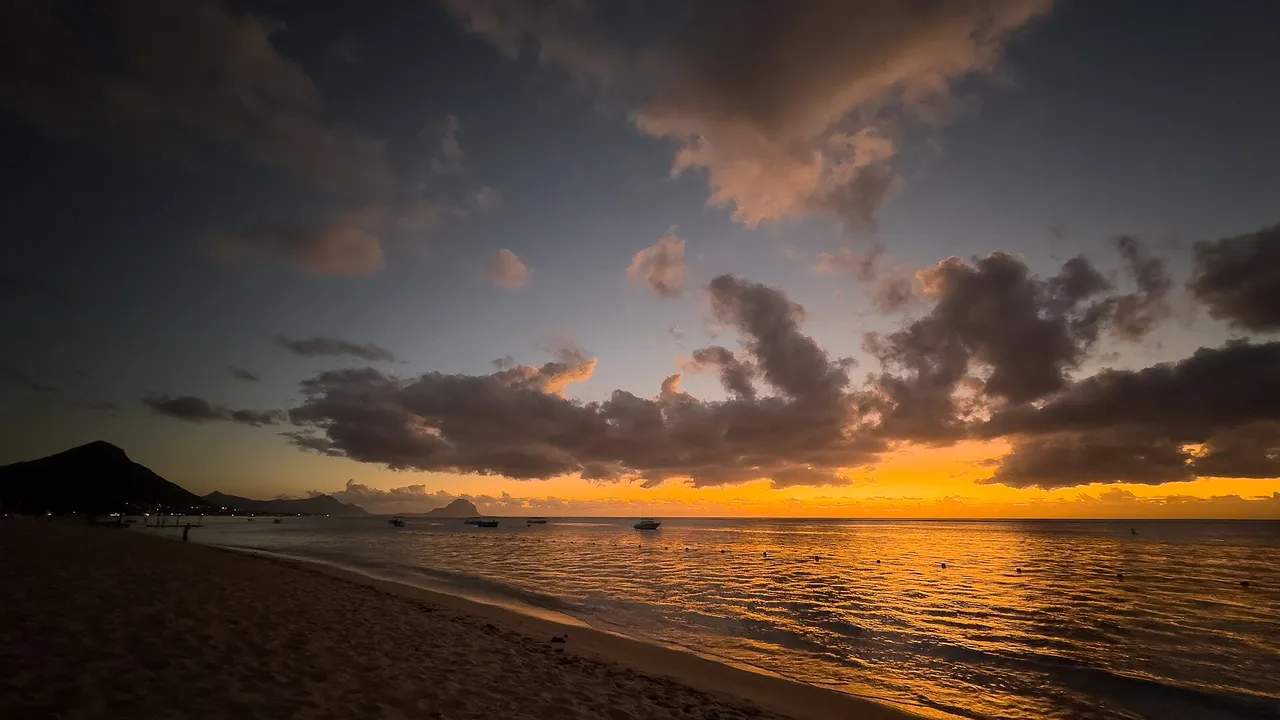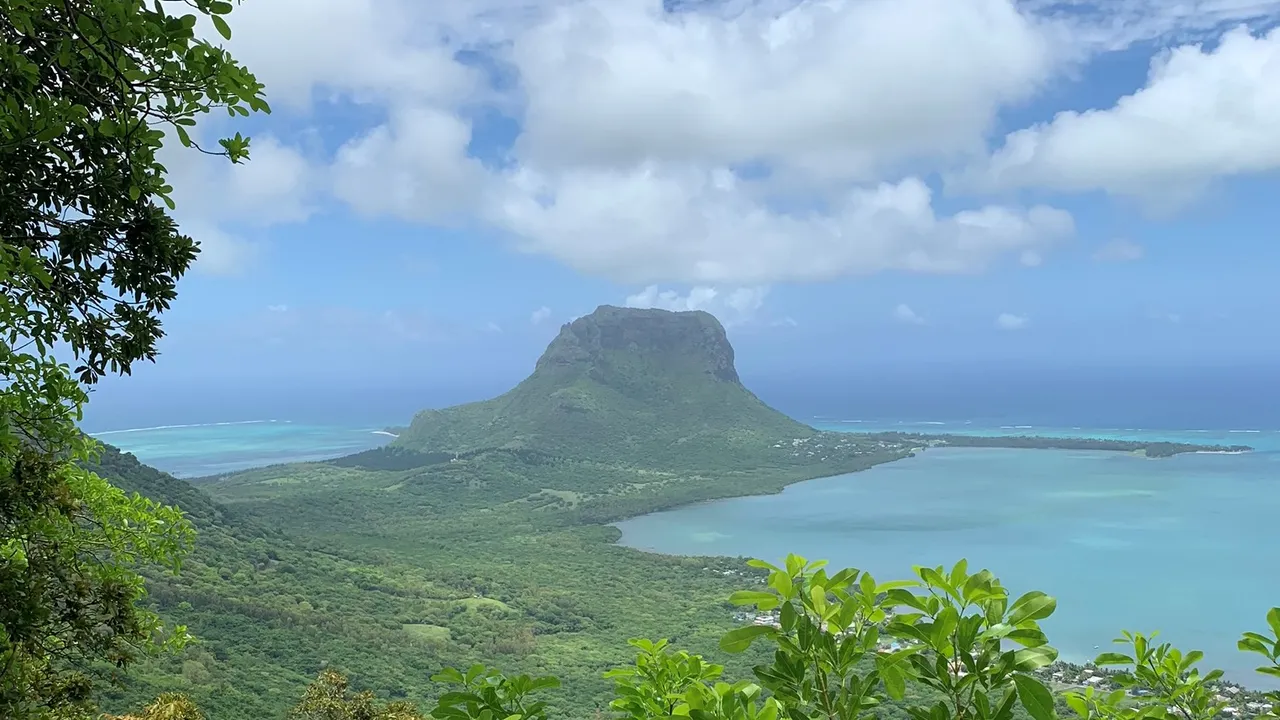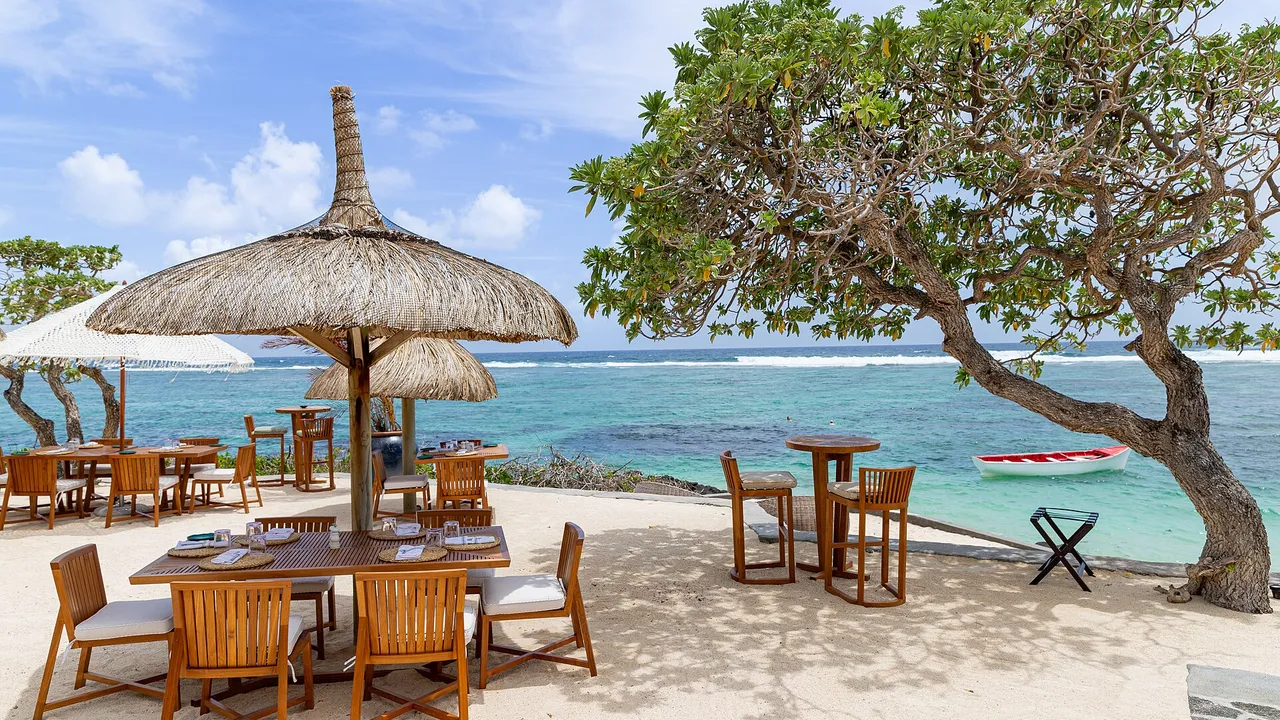
The east coast of Mauritius is the island’s lagoon coast. A wide reef sits well offshore, so the water inside is shallow and calm, the beaches are long and the villages still feel local. It is quieter than the north and less developed than parts of the west, which is why many visitors choose it for beach days and slow holidays.
This guide explains how the east coast fits together from north to south, what each stop is known for and how to plan a day or a stay. Use it alongside our one-week itinerary and 10-day itinerary.
How the East Coast Is Laid Out
Most of the coast lies inside the Flacq district. Going from north to south, you pass Roches Noires and Poste Lafayette, then Belle Mare, Palmar, Quatre Cocos and finally Trou d’Eau Douce, the village that serves as the gateway to the lagoon islands. Inland, the town of Centre de Flacq is the main local market town. Distances are short, so a rental car, taxi or private driver lets you combine several places in a day.
East Coast at a Glance
A wide, reef-sheltered lagoon with long sandy stretches.
The usual departure point for boats to Ile aux Cerfs.
A large everyday market in the main town of the district.
A national park of 497.2 hectares in the north-east.
Belle Mare and Palmar
Belle Mare is the best-known beach of the east coast. The tourism authority describes almost ten kilometres of sand, while the Beach Authority lists about 2,420 metres in four sections as proclaimed public beach, the rest being mostly in front of hotels. We cover access, wind and facilities in our guide to Belle Mare Beach. Palmar lies just to the south and is generally described as a quieter stretch with a more relaxed atmosphere, with small hotels and public sand.
Trou d’Eau Douce and Ile aux Cerfs
Trou d’Eau Douce is a fishing village with a jetty, small restaurants and boat operators. It is the usual starting point for the best-known outing on this coast, the boat day to Ile aux Cerfs, which is described in our guide to Ile aux Cerfs. Many boat trips also stop at the Grand River South East waterfall, a short boat ride up the river mouth rather than a walk. Waterfall flow varies with the season and recent rain, and monkeys are sometimes mentioned on the banks, but sightings are not guaranteed.
The Mauritian Tourism Authority regulates pleasure craft around Trou d’Eau Douce. A 2008 regulation (GN 39/2008) forbids operating a pleasure craft in the stretch of sea between Ilot Mangenie and Ile aux Cerfs and sets a 10-knot speed limit in marked zones. If you book a boat, choose an operator that respects these rules.
Centre de Flacq Market
Centre de Flacq is the main town of the district and has one of the largest local markets on the island, with fruit, vegetables, spices, cloth and street food. Travel sites commonly say it is busiest on Wednesdays and Sundays, but days and hours can change, so ask your hotel before you go. It is a working local market and less aimed at visitors than the one in Port Louis, so go in the morning, carry small rupee notes and keep valuables close. Our guide to Mauritian street food lists snacks worth looking for.
Bras d’Eau National Park
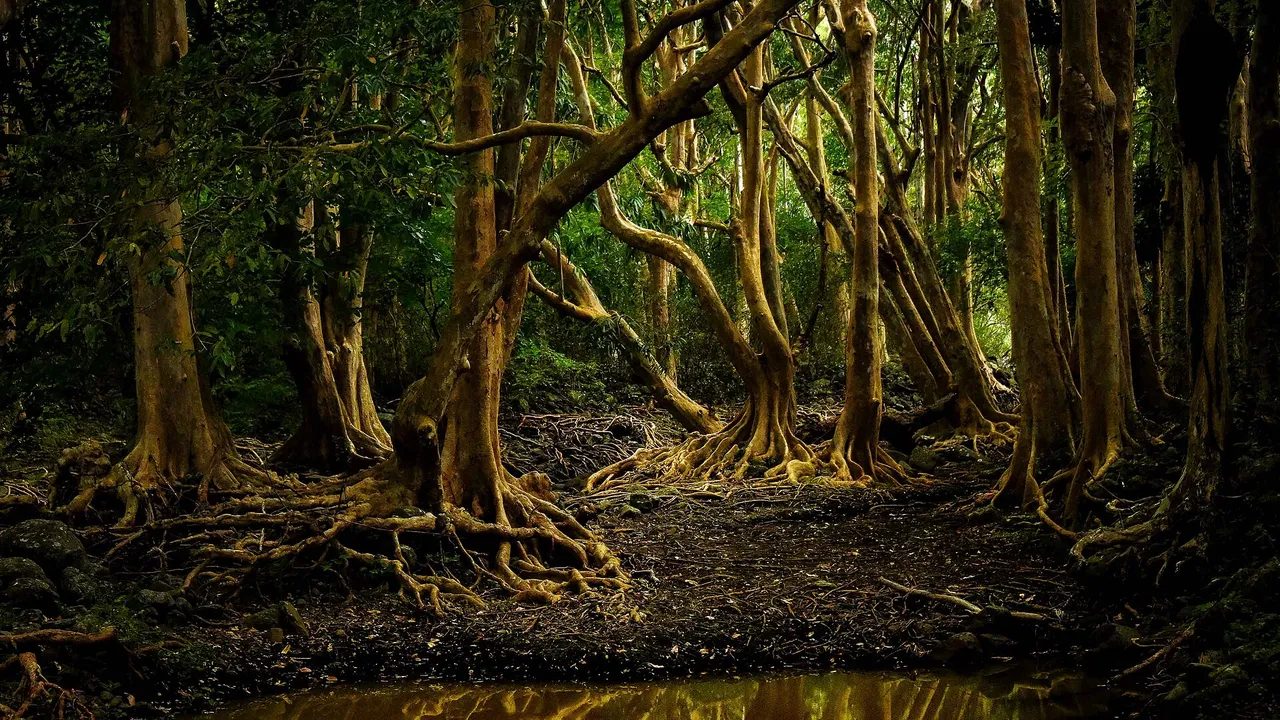
At the northern end of the coast, between Roches Noires and Poste Lafayette, Bras d’Eau National Park was proclaimed in October 2011 and covers 497.2 hectares, according to the National Parks and Conservation Service. It is mainly planted forest of mahogany, araucaria, tecoma and eucalyptus, with remnants of native lowland vegetation, and it is described as quieter and less visited than Black River Gorges. The service asks visitors to contact it about visits, so check access before you plan a walk.
Wind, Weather and the Best Time
The east coast is exposed to the trade winds. The tourism authority says the breeze strengthens in winter, especially on the east and south coasts, with July and August among the windiest months. That can make the lagoon choppy, while summer usually brings warmer water, higher humidity and a chance of heavy rain or cyclones. See our best time to visit Mauritius guide, and check the official weather forecast on the day.
Sample Days on the East Coast
- A beach day: a long walk and a swim at Belle Mare, a late lunch in a village
- A boat day: Trou d’Eau Douce, the river waterfall and Ile aux Cerfs
- A local day: Centre de Flacq market in the morning and a quiet beach in the afternoon
- A nature day: Bras d’Eau National Park once you have confirmed access
Whichever you choose, start early. Mornings are calmer, cooler and better for photographs, and boats are less crowded.
Where to Stay and How to Get Around
Accommodation ranges from large beach resorts to small guesthouses and villas. Staying on the east coast suits travellers who want beach time and are happy with a quieter evening, because nightlife and restaurant choice are more limited than in the north. Most visitors rent a car or hire a driver, because buses are slow and the sights are spread out. Traffic keeps left. For help with the cost of a day, see our travel costs guide.
- Decide whether you want a beach day, a boat day or both
- Choose a proclaimed public beach, not a hotel beach
- Book boats with a licensed operator and check what is included
- Check the wind forecast, especially in July and August
- Confirm access with the park service before visiting Bras d’Eau
Common Mistakes to Avoid
- Expecting nightlife and shops everywhere
- Leaving the boat booking until the last minute in high season
- Planning a swim on a very windy day
- Treating the whole long beach as public
- Walking into a hotel to use its facilities
If you would like a relaxed east coast day with a local driver, you can ask us about private tours or local excursions, and we will explain what is included before you decide.
Frequently Asked Questions
What is the east coast of Mauritius known for?
Its wide reef-sheltered lagoon, long beaches, fishing villages and boat trips to Ile aux Cerfs.
Is the east coast windy?
It faces the trade winds, and the tourism authority says the breeze strengthens in winter, with July and August among the windiest months.
Where do boats to Ile aux Cerfs leave from?
Mainly from Trou d’Eau Douce, and the island operator also runs a shuttle from Pointe Maurice.
Is Bras d’Eau National Park open to visitors?
It is a national park managed by the National Parks and Conservation Service, which asks visitors to contact it about visits, so confirm access first.
Is there a market on the east coast?
Centre de Flacq has a large local market, which travel sites say is busiest on Wednesdays and Sundays, but confirm locally.
Plan Your East Coast Days
Tell us what you want from the east coast and we will suggest a relaxed plan with a local driver.
Browse Tours Browse Excursions