Mauritius is an easy place to pack for. The climate is mild and tropical, the shops in the main towns sell most things you might forget, and hotels usually provide towels and basic toiletries. Still, a good list saves money and stress, and a few official rules affect what you should leave at home. This guide covers what to bring, what to skip and which regulations matter, using official Mauritian sources where they exist.
Know the Climate Before You Pack
According to a World Bank climate profile based on Mauritian data, the mean temperature is around 25°C in summer and about 21°C in winter, with January and February the warmest months and July and August the coolest. In July the average is about 20°C, so evenings can feel cool, especially on the central plateau and near the coast in wind. Rain is possible in every season, and it is heaviest from January to March. Our best time to visit guide explains the seasons, and our cyclone season guide explains the weather risks of summer.
Packing at a Glance
Add a light layer for evenings.
Sun is strong all year.
UK-style three-pin plug.
Check the rules first.
Clothing and Shoes
Pack light cotton or linen clothes, swimwear (two sets so one can dry), a sarong or cover-up, shorts and a few tops. Add one light jacket or sweater for cool evenings, plus a light waterproof layer for showers. For towns and temples, include a pair of trousers and a top that covers your shoulders, as some religious sites expect modest dress. Our culture guide explains the local customs.
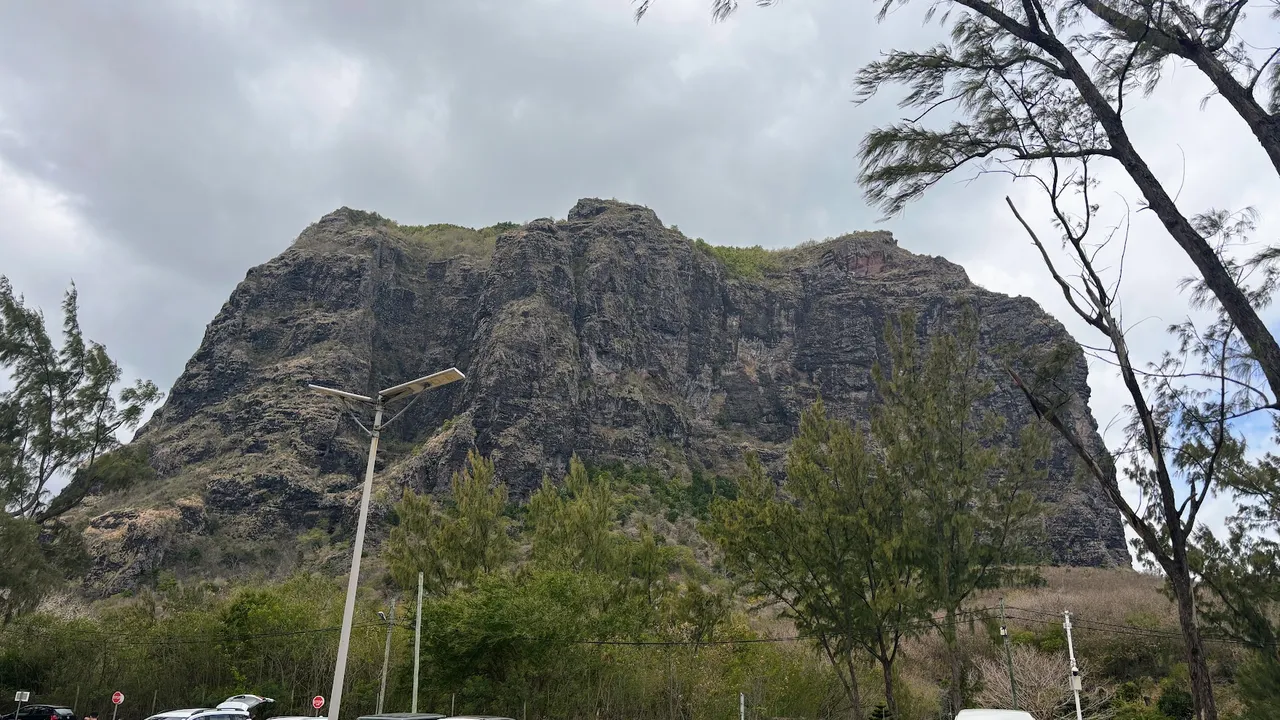
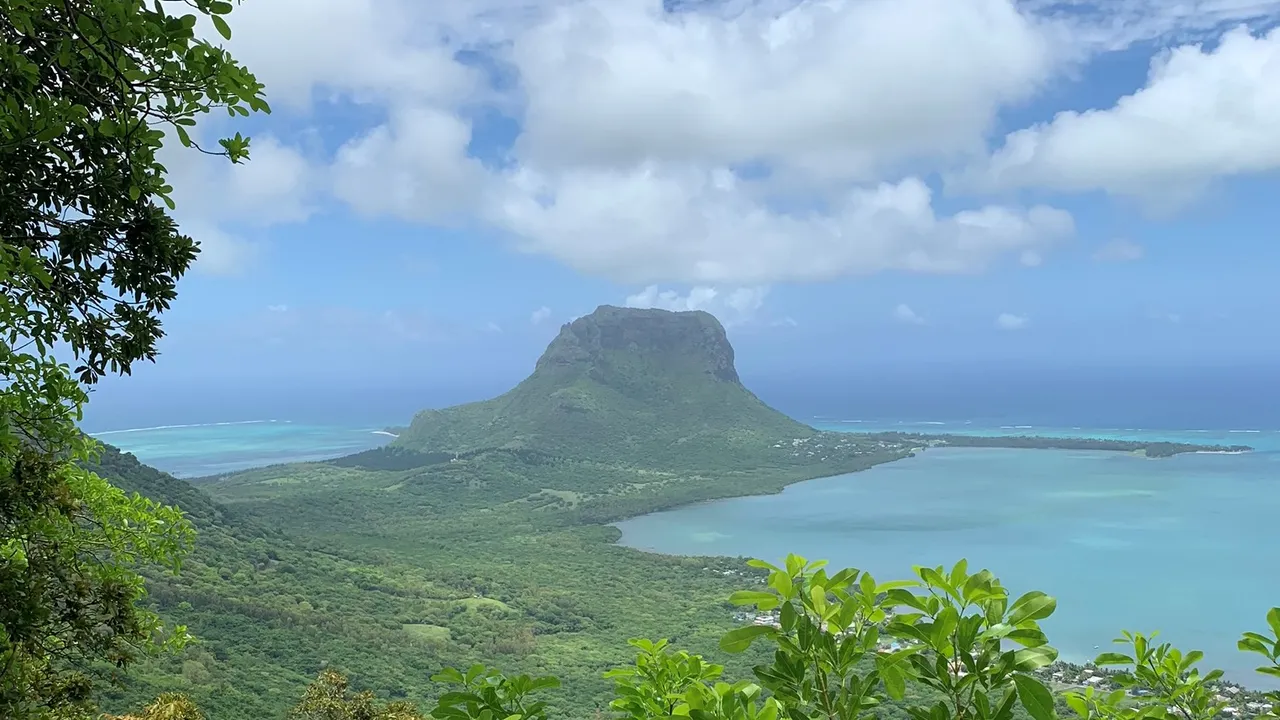
For shoes, bring sandals or flip-flops for the beach, comfortable trainers or light hiking shoes for walks and waterfalls, and reef shoes if you plan to snorkel from rocky shores. If you plan to hike Le Morne or the gorges, shoes with a good grip matter far more than fashion. Our Le Morne hike guide covers what to expect on the trail.
Sun, Insects and Health
Bring a high-factor sunscreen, a hat, sunglasses, after-sun lotion and a rash vest for long snorkelling trips. Sunscreen is available on the island, but you may find it more convenient and often cheaper at home, so we do not quote local prices. Pack insect repellent as well, since dengue and chikungunya are spread by day-biting mosquitoes. Our health guide explains the precautions.
Bring your regular medicines in their original packaging with a prescription copy, plus basic first aid items such as plasters, antiseptic, rehydration salts and pain relief. Some medicines are restricted in some countries, so check the rules before you travel. Keep essential medicines in your hand luggage.
Electronics, Plugs and Money
Mauritius uses 230 V and 50 Hz, with the British 13 A three-pin plug, according to the Mauritian embassy in Beijing travel page, which also advises bringing a universal adaptor. Bring a power bank, a phone cable and a waterproof pouch or case for beach days. For mobile data, our SIM and eSIM guide compares the options.
Take a debit or credit card, and keep a small amount of cash for markets, buses and small shops. Our money guide and ATM guide explain how payments work. Tell your bank you are travelling so card payments are not blocked.
Rules to Check Before You Pack
Plastic bags are banned. The Environment Protection (Banning of Plastic Bags) Regulations 2020 prohibit the possession, use and sale of most plastic bags from 1 March 2021, including the small bags once used for dholl puri. There are exemptions, including transparent resealable security-tamper bags for liquids at airports. A reusable cloth bag is the easy solution for shopping, and a dry bag works well for the beach.
Drones need care. Since 1 January 2025, drones are regulated by the Civil Aviation (Unmanned Aircraft System) Regulations 2024. According to the Department of Civil Aviation FAQ, a tourist’s drone and the operator must be registered, with documents such as proof of registration, a passport copy and photographs of the drone. Commercial use needs further authorisation. If you cannot complete this in advance, leave the drone at home. Travel advice from the UK government also notes that cigarette papers are illegal to possess or import, and that illegal drugs carry severe penalties. Pack your own luggage and carry nothing for anyone else.
- Passport, return ticket, hotel details and the online travel form QR code
- Light clothes, swimwear, a layer for evenings and a light rain jacket
- Sandals, walking shoes and reef shoes
- Sunscreen, hat, sunglasses, repellent and regular medicines
- Type G adapter, power bank and waterproof pouch
- Reusable cloth bag and a copy of your travel insurance
For more on choosing clothes for the climate, temples and the beach, see our guide to what to wear in Mauritius.
Common Mistakes to Avoid
- Packing only warm-weather clothes and no layer for evenings
- Forgetting a plug adapter
- Bringing plastic carrier bags
- Bringing a drone without checking registration
- Packing medicines in your checked bag
- Over-packing when laundry is easy to find
If you would like to see the island with a local driver who knows comfortable stops and shaded places, you can ask us about private tours or local excursions. We will explain what is included and what is not.
Frequently Asked Questions
What plug do I need for Mauritius?
Mauritius uses 230 V, 50 Hz and the British three-pin type G plug, so most European visitors need an adapter.
Can I bring plastic bags to Mauritius?
Most plastic bags are banned, with exemptions such as transparent resealable bags for airport liquids. Bring a reusable cloth bag.
Can I bring a drone?
Only after registration. The civil aviation department says tourists’ drones and operators must be registered before use, so check the current rules.
Do I need warm clothes?
A light layer is enough for cool evenings, especially in winter and on the central plateau.
Should I bring reef shoes?
They are useful if you snorkel from rocky shores, since coral cuts heal slowly.
Travel Light
Tell us your plans and we will arrange a local driver and a relaxed route, so you can pack light and enjoy the island.
Browse Tours Browse Excursions