Few animals are as famous as the dodo, and few were as unlucky. This large, flightless bird lived only on Mauritius, and within a hundred years of the first Dutch landing it was gone. Its name has become shorthand for extinction. Yet the dodo is only one part of an island story that is also about rescue, because Mauritius is now known for conservation work that pulled other birds back from the edge.
This guide explains what the dodo was, why it disappeared, which native animals have been saved, and where a visitor can learn more. It follows on from our history of Mauritius.
What Was the Dodo?
The dodo, scientific name Raphus cucullatus, was a large flightless bird found only on Mauritius. It had evolved on an island with no ground predators, so it had no reason to fear people. Scientists now think it was an active and fast bird rather than the clumsy creature of old drawings. The government’s own protected sanctuaries page lists it as endemic to Mauritius and extinct.
The Dodo at a Glance
An endemic species found nowhere else in the world.
The year the Dutch first landed on the island.
The last reliable sighting, according to the Natural History Museum in London.
Hunting and species the Dutch brought with them, such as rats, cats, dogs and pigs.
Why It Disappeared
Dutch sailors began hunting the dodo, and because the bird had no experience of predators, it was not afraid of them. Hunting reduced its numbers, but historians and scientists believe the animals the sailors brought with them were the final blow. Dogs, cats, pigs and rats killed the birds and probably ate their eggs. Within a hundred years, the dodo was gone. The last reliable sighting was in 1662, although the Natural History Museum notes that a later date, even around 1680, is possible.
The loss of the dodo changed how people think. Before then, many believed that a species, once created, would live forever. Its disappearance showed that human beings can wipe out an entire species, and the word extinction entered common use.
Other Lost Species
The dodo was not alone. Mauritius lost several other native birds, as well as giant tortoises, after people arrived. Forests were cleared for sugar cane and other crops, and introduced animals and plants took over what remained. Some conservation sources note that eight native bird species of the island are now extinct, which gives a sense of how fragile an island ecosystem can be.
The Comeback Stories
The story does not end with extinction. In the 1970s, conservation programmes began to save the island’s most endangered birds. According to a government publication on conservation, the Mauritius kestrel was down to only four known wild birds in 1974. By 1986, only 12 pink pigeons were known in the wild, and the echo parakeet’s numbers fell below 25 in the 1980s. Thanks to breeding programmes, habitat protection, supplementary feeding and predator control, these three species have recovered, and the same publication says their populations are now in the hundreds in the wild.
This work involved the Government of Mauritius, the Durrell Wildlife Conservation Trust and the Mauritian Wildlife Foundation, and is considered one of the world’s best-known conservation successes. Several of these species remain threatened, however, and their future depends on continued protection.
Ile aux Aigrettes
One of the best-known conservation sites is Ile aux Aigrettes, a small island off the south-east coast. It was declared a nature reserve in 1965, but invasive plants and animals had badly damaged it. From the early 1980s, the Mauritian Wildlife Foundation removed invasive species, replanted native vegetation, with more than 300,000 native plants, and reintroduced native animals such as the pink pigeon. A bronze dodo sculpture on the island is, in the words of the government’s protected sanctuaries page, the closest you can get to seeing the dodo. Giant tortoises were also introduced to take over the ecological role of the extinct local tortoises.
If you would like to visit, ask the foundation about the current visiting arrangements, since numbers are limited. Visitors are screened before landing to prevent new invasive species from arriving, so follow the rules carefully.
Where to Learn More
- The Natural History Museum in Port Louis, which holds two almost complete dodo skeletons, according to the Natural History Museum in London
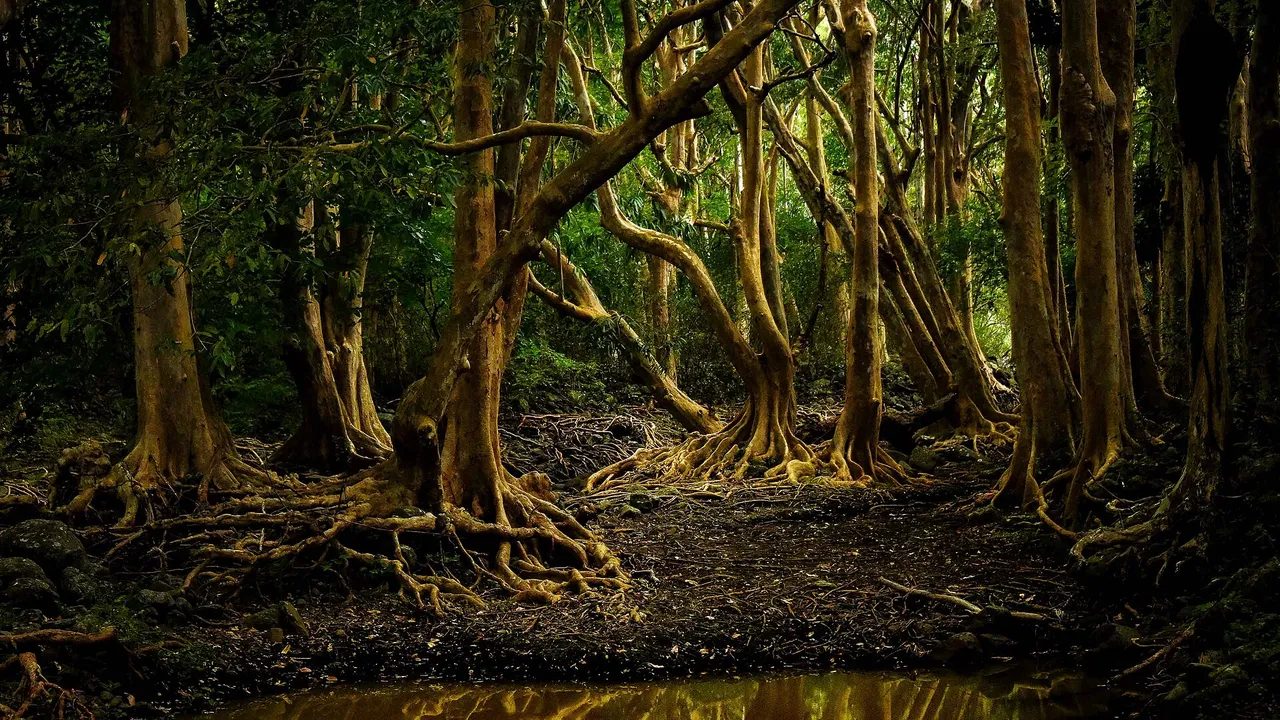
- Black River Gorges National Park, which protects some of the island’s remaining native forest
- Ile aux Aigrettes, with its dodo sculpture and conservation work
- The Port Louis guide for the museums and sights of the capital
Opening hours, tickets and access rules change, so check them before you go. You are unlikely to meet a dodo, but you can meet the people working to keep the island’s other birds alive.
- Keep to marked paths and do not feed wild animals
- Follow all rules on protected islands and in the national park
- Never take plants, seeds, shells or animals away with you
- Keep a respectful distance and avoid flash photography near birds
A Note on Dodo Souvenirs
You will see dodos everywhere in Mauritius, on T-shirts, magnets and model figures. They are a fun reminder of the island’s history. Choose souvenirs from reputable shops, and avoid anything made from real animal products, shells or coral, which may be illegal to export. Buying from local craftspeople is a good way to support the island. Our guide to Mauritian culture has more on local traditions.
Planning a Nature and History Day
Wildlife is spread across the island, so a driver makes it much easier to combine the sights. If you would like help, you can ask us to plan a day around private tours or local excursions, and we will suggest places that suit your pace.
Frequently Asked Questions
Is the dodo really extinct?
Yes. The last reliable sighting was in 1662, and the species is listed as extinct.
Where did the dodo live?
Only on Mauritius. It is an endemic species found nowhere else in the world.
Why did the dodo go extinct?
Hunting by sailors, and above all the animals they brought with them, such as rats, cats, dogs and pigs, which preyed on the birds and their eggs.
Can I see a dodo in Mauritius?
No live dodo exists. You can see dodo sculptures, museum material and souvenirs. The Natural History Museum in Port Louis holds two almost complete skeletons.
Which Mauritian birds were saved from extinction?
The Mauritius kestrel, the pink pigeon and the echo parakeet, through conservation programmes begun in the 1970s.
Discover the Island’s Wildlife
Tell us what you would like to see and we will plan a day with a local driver around nature and history, at your pace.
Browse Tours Browse Excursions